The representation of blended family dynamics in modern cinema has come a long way from the traditional nuclear family structures of the past. By showcasing the challenges, complexities, and benefits of blended families, movies can help to promote understanding, empathy, and acceptance. As the diversity of family structures continues to evolve, it is essential that cinema reflects this change, offering a more accurate and inclusive representation of modern family life.

In addition to portraying challenges, modern cinema has also offered positive representations of blended families. Films like (2007) and The Princess Diaries (2001) feature loving and supportive stepfamilies, demonstrating that blended families can be just as loving and functional as traditional nuclear families.

The concept of a blended family, also known as a stepfamily or reconstituted family, has become increasingly common in modern society. This shift is reflected in the way blended families are portrayed in cinema. In recent years, movies have started to showcase the complexities and nuances of blended family dynamics, offering a more realistic and relatable representation of these families.

The increasing diversity of blended families has also been reflected in modern cinema. Movies like (2010) and The Fosters (TV series, 2013-2018) showcase same-sex parents, single parents, and multi-cultural families, highlighting the complexity and richness of modern family structures.

Modern cinema has also tackled the difficulties that come with blending families. Films like (2005) and August: Osage County (2013) depict the tension, conflict, and adjustment that can occur when two families merge. These movies show how stepfamilies can struggle to find their footing, particularly when dealing with issues of loyalty, discipline, and communication.

Traditionally, cinema has often depicted the nuclear family as the ideal family structure. However, with the rise of blended families, filmmakers have begun to explore the challenges and benefits of non-traditional family arrangements. Movies like (1995) and Cheaper by the Dozen (2003) poke fun at the quirks of blended family life, while also highlighting the love and connection that binds them together.
Get effective EdTech strategies from Alice Keeler to build a more student centered classroom. Includes unique resources and templates.

Recent Teacher Tech Blog Posts

Video Title Big Boobs Indian Stepmom In Saree [updated] Free May 2026

The representation of blended family dynamics in modern cinema has come a long way from the traditional nuclear family structures of the past. By showcasing the challenges, complexities, and benefits of blended families, movies can help to promote understanding, empathy, and acceptance. As the diversity of family structures continues to evolve, it is essential that cinema reflects this change, offering a more accurate and inclusive representation of modern family life.

In addition to portraying challenges, modern cinema has also offered positive representations of blended families. Films like (2007) and The Princess Diaries (2001) feature loving and supportive stepfamilies, demonstrating that blended families can be just as loving and functional as traditional nuclear families. video title big boobs indian stepmom in saree free

The concept of a blended family, also known as a stepfamily or reconstituted family, has become increasingly common in modern society. This shift is reflected in the way blended families are portrayed in cinema. In recent years, movies have started to showcase the complexities and nuances of blended family dynamics, offering a more realistic and relatable representation of these families. The representation of blended family dynamics in modern

The increasing diversity of blended families has also been reflected in modern cinema. Movies like (2010) and The Fosters (TV series, 2013-2018) showcase same-sex parents, single parents, and multi-cultural families, highlighting the complexity and richness of modern family structures. In addition to portraying challenges, modern cinema has

Modern cinema has also tackled the difficulties that come with blending families. Films like (2005) and August: Osage County (2013) depict the tension, conflict, and adjustment that can occur when two families merge. These movies show how stepfamilies can struggle to find their footing, particularly when dealing with issues of loyalty, discipline, and communication.

Traditionally, cinema has often depicted the nuclear family as the ideal family structure. However, with the rise of blended families, filmmakers have begun to explore the challenges and benefits of non-traditional family arrangements. Movies like (1995) and Cheaper by the Dozen (2003) poke fun at the quirks of blended family life, while also highlighting the love and connection that binds them together.
💥 FREE OTIS WORKSHOP

Join Alice Keeler, Thursday April 28th or register to gain access to the recording.
Create a free OTIS account.

Join Alice Keeler for this session for teaching with AI

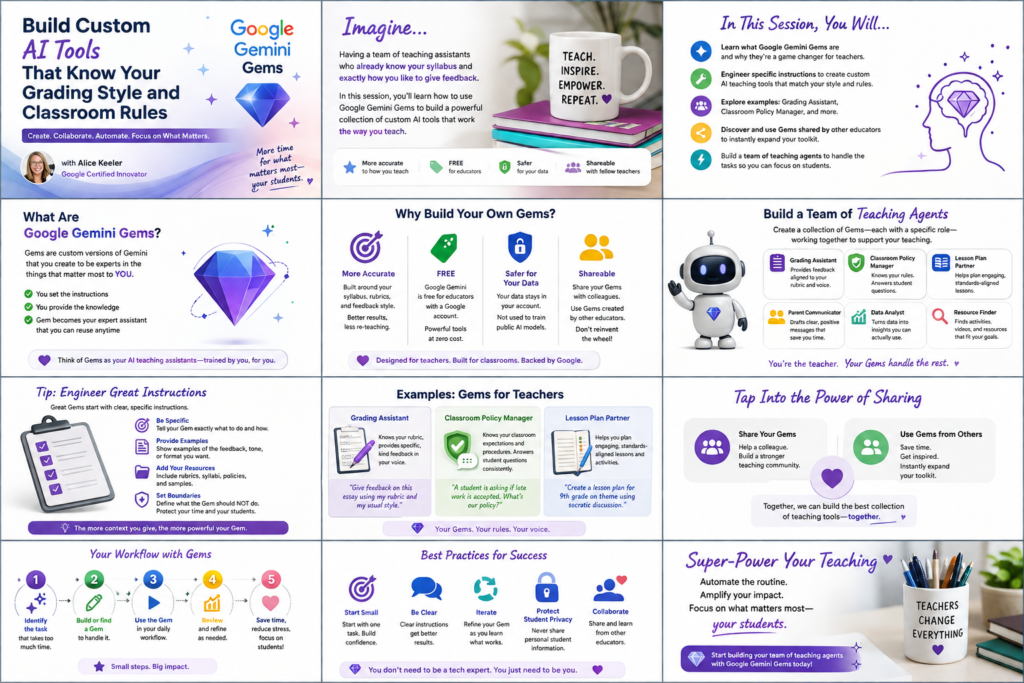
Imagine having a team of teaching assistants who already know your syllabus and exactly how you like to give feedback. Join Google Certified Innovator Alice Keeler to learn how to use Google Gems to build a powerful collection of custom AI tools. We will explore how to engineer specific instructions so you can create a Grading Assistant or a Classroom Policy Manager that works for you. You will also learn how to leverage Gems shared by other educators to instantly expand your toolkit. This session is about super-powering your teaching by automating the routine tasks so you can focus on the students.

Exit this pop up by pressing escape or clicking anywhere off the pop up.