
0%
Filled with laugh-out-loud hilarious text and cartoons, the Diary of a Wimpy Kid series follows Greg Heffley as he records the daily trials and triumphs of friendship, family life and middle school where undersized weaklings have to share the hallways with kids who are taller, meaner and already shaving! On top of all that, Greg must be careful to avoid the dreaded CHEESE TOUCH!
The first book in the series was published in 2007 and became instantly popular for its relatable humor. Today, more than 300 million copies have been sold around the world!
The coordinates led to a place on the edge of maps: a green bleed on the provincial layout, the last named road petering into unmarked soil. She drove at dusk, the sky a bruise of indifferent violet, the city falling away like a rumor. Her car’s headlights cut a pale lane through spruce and fern. The forest sat patient, a living opacity. The GPS spun a polite lie and then died. She pulled over and followed the printed page by dead reckoning, by the moss on the north side of trunks and the way the world smelled when it held its breath.
Mara realized the negative file size wasn't a mistake; it was a notational joke—an insistence that what they had made would subtract from the world if exposed. To open the archive and sell it would be to reduce a forest's depth to a spreadsheet. Leaving it entombed would be to deny future caretakers the chance to learn. She had the choice of making the archive whole again by reconnecting the scattered torrents—bringing light, multiple lights, to the clearing—and thereby exposing the memory to anyone who could parse it. Or she could take the disk and bury it deeper until even her lantern's filament could not find it.
The Forest.build did not become a product; it became a covenant, brittle and strong. The negative size remained as a talisman, an anti-advertising measure that reminded readers how much the world subtracts when it tries to own stories. OFME became less an acronym than a prayer: Of Memory, For Memory, Or Forgetting Made Endurable. The.Forest.Build.4175072-OFME.torrent -75.88 KB-
And in a clearing that no map could truly hold, with a lantern long since reclaimed by bark and time, a disk kept the pulse of a forest. It did not scream its contents into the world; it hummed them into those who would come and sit, and those who would teach others to sit, and so memory circulated like sap—slow, stubborn, and, occasionally, luminous.
The creators were earnest, then desperate. The images showed their failures: funding runaway, corporations wanting the genome not the story, a hastily set agreement to encrypt and scatter the memory for safekeeping. They seeded it into the wild in tiny torrents, a distributed archive, each seed pointing to a locus of the forest. Then came the forgetting—young trees felled for timber, fires, bureaucrats who reclassified the land into parcels with new names. The people who stayed behind had taken an oath not to rebuild publicly, burying technology where the woods would forgive them. The coordinates led to a place on the
Contact is the beginning of everything. The world oscillated and then folded inward under her palms. The room filled with the sound of wind that had not come from anywhere—an older wind, one that remembered the first green. Patterns on the walls unspooled into light, and images threaded past: a group of people moving through the forest with gentle hands, planting, coaxing, wiring the living trees with sensorial threads; children with soil-stained knees tracing their names into the bark; a woman with a clenched jaw calibrating frequencies on a device the size of a marrow. Memory glints like mica.
She downloaded with the casual ritual of a thousand other small crimes: ignore the legal warnings, pretend the progress bar was an instrument reading rather than an invitation. The data came in packets, small as breath, each one a fragment of something larger. When the client finished, a folder opened with a single file: forest.build — no extension, no icon, just a line of text in a sterile font. The file size read 75.88 KB, but the number felt inadequate, like calling a cathedral brick. The forest sat patient, a living opacity
Do not bring light. Do not bring more than one. Wear something you can leave behind. Beneath, a string of characters formed a map—gridlines, latitude-like numbers—followed by the word OFME in caps, and then, beneath that, a sentence broken like a bone:
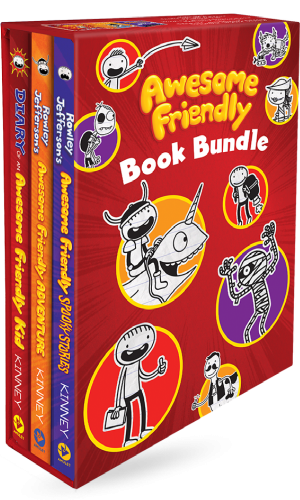
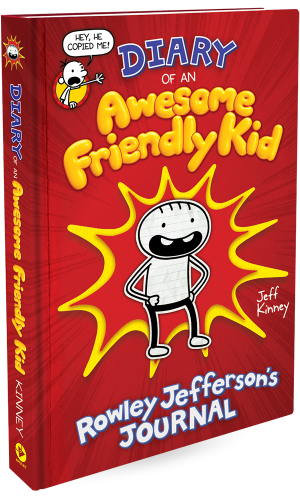
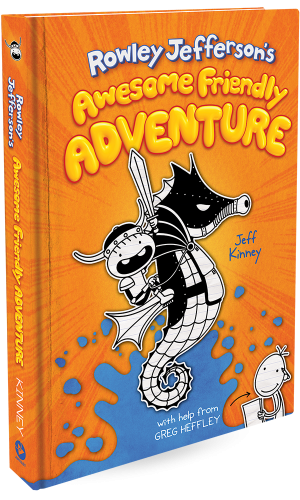
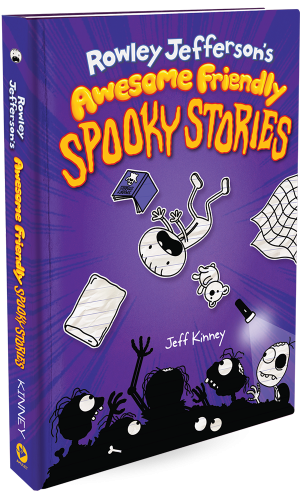
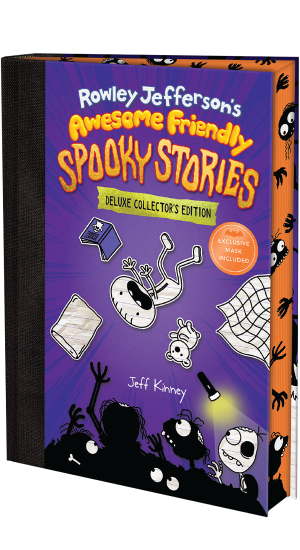
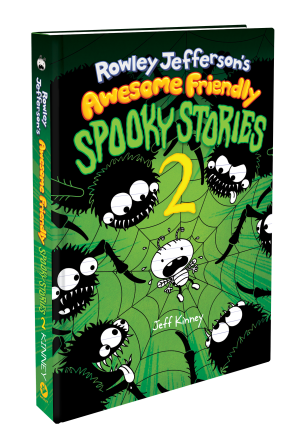
Get ready to see the Wimpy Kid world in a whole new way! Written and illustrated from the hilarious imagination of Greg Heffley’s best friend, Rowley Jefferson, the Awesome Friendly Kid series is filled with new adventures and vibrant stories that will have readers in stitches!
Click or scroll
through the books
The coordinates led to a place on the edge of maps: a green bleed on the provincial layout, the last named road petering into unmarked soil. She drove at dusk, the sky a bruise of indifferent violet, the city falling away like a rumor. Her car’s headlights cut a pale lane through spruce and fern. The forest sat patient, a living opacity. The GPS spun a polite lie and then died. She pulled over and followed the printed page by dead reckoning, by the moss on the north side of trunks and the way the world smelled when it held its breath.
Mara realized the negative file size wasn't a mistake; it was a notational joke—an insistence that what they had made would subtract from the world if exposed. To open the archive and sell it would be to reduce a forest's depth to a spreadsheet. Leaving it entombed would be to deny future caretakers the chance to learn. She had the choice of making the archive whole again by reconnecting the scattered torrents—bringing light, multiple lights, to the clearing—and thereby exposing the memory to anyone who could parse it. Or she could take the disk and bury it deeper until even her lantern's filament could not find it.
The Forest.build did not become a product; it became a covenant, brittle and strong. The negative size remained as a talisman, an anti-advertising measure that reminded readers how much the world subtracts when it tries to own stories. OFME became less an acronym than a prayer: Of Memory, For Memory, Or Forgetting Made Endurable.
And in a clearing that no map could truly hold, with a lantern long since reclaimed by bark and time, a disk kept the pulse of a forest. It did not scream its contents into the world; it hummed them into those who would come and sit, and those who would teach others to sit, and so memory circulated like sap—slow, stubborn, and, occasionally, luminous.
The creators were earnest, then desperate. The images showed their failures: funding runaway, corporations wanting the genome not the story, a hastily set agreement to encrypt and scatter the memory for safekeeping. They seeded it into the wild in tiny torrents, a distributed archive, each seed pointing to a locus of the forest. Then came the forgetting—young trees felled for timber, fires, bureaucrats who reclassified the land into parcels with new names. The people who stayed behind had taken an oath not to rebuild publicly, burying technology where the woods would forgive them.
Contact is the beginning of everything. The world oscillated and then folded inward under her palms. The room filled with the sound of wind that had not come from anywhere—an older wind, one that remembered the first green. Patterns on the walls unspooled into light, and images threaded past: a group of people moving through the forest with gentle hands, planting, coaxing, wiring the living trees with sensorial threads; children with soil-stained knees tracing their names into the bark; a woman with a clenched jaw calibrating frequencies on a device the size of a marrow. Memory glints like mica.
She downloaded with the casual ritual of a thousand other small crimes: ignore the legal warnings, pretend the progress bar was an instrument reading rather than an invitation. The data came in packets, small as breath, each one a fragment of something larger. When the client finished, a folder opened with a single file: forest.build — no extension, no icon, just a line of text in a sterile font. The file size read 75.88 KB, but the number felt inadequate, like calling a cathedral brick.
Do not bring light. Do not bring more than one. Wear something you can leave behind. Beneath, a string of characters formed a map—gridlines, latitude-like numbers—followed by the word OFME in caps, and then, beneath that, a sentence broken like a bone: