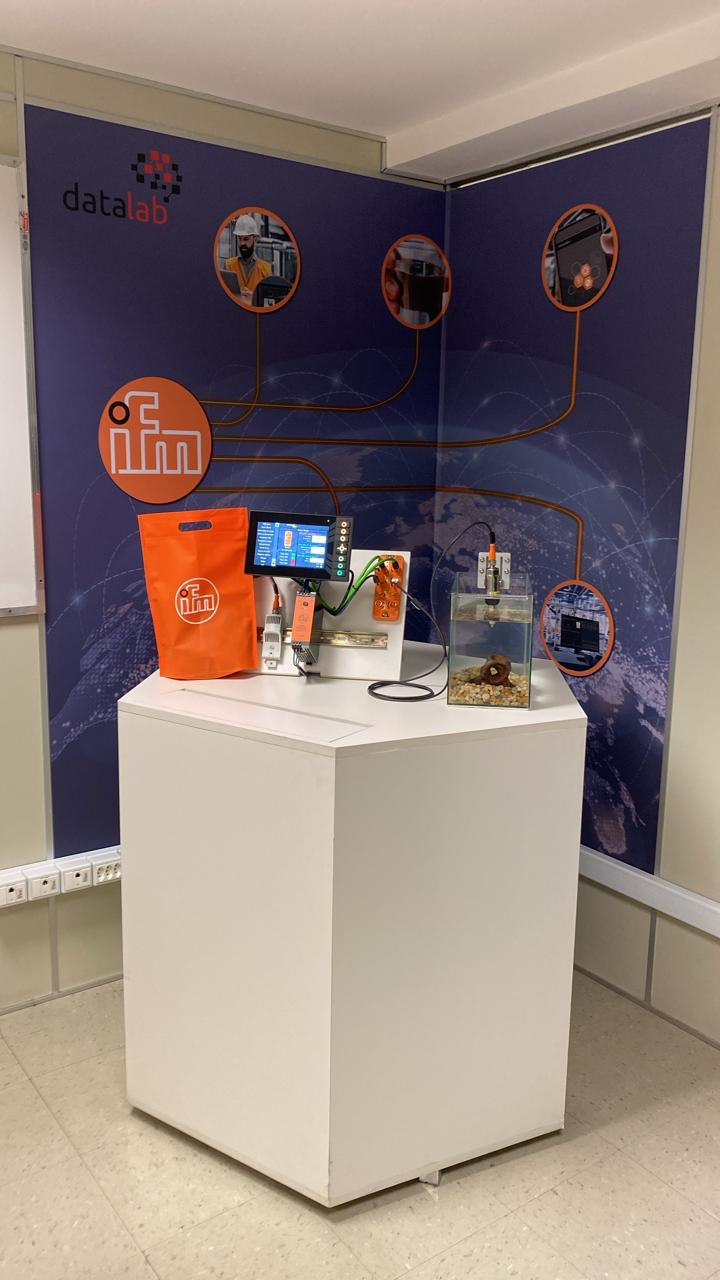
O laboratório está estruturado em duas grandes linhas de pesquisa, sendo essas Ciência de Dados e Métodos Analíticos. Na primeira linha é tratada de forma mais específica aplicação de técnicas de Inteligência Artificial, Aprendizagem de Máquina, Redes Neurais Artificiais, Mineração de Dados, Deep Learning e áreas afins. Na outra linha estão as pesquisas sobre métodos analíticos que contemplam Otimização, Meta-heurísticas, modelagem de processos e afins.
A grande maioria das pesquisas envolvem problemas reais e aplicados como dados acadêmicos, mídias sociais, Internet of Things (sensores), logística e outras. Trata também de métodos analíticos aplicados a problemas combinatórios complexos cuja solução, dependendo do porte do problema, pode se dar por métodos exatos ou por métodos heurísticos.
A typical day in an Indian family begins early, with the morning prayer ceremony, known as "puja." The family gathers together to offer prayers to their deities, seeking blessings for the day ahead. After puja, the family members engage in their daily routines, such as getting ready for work or school, doing household chores, and preparing meals.
In India, the joint family system is a common phenomenon, particularly in rural areas. Several generations of a family live together under one roof, sharing joys and sorrows, and contributing to the household chores. This system fosters a sense of unity, cooperation, and mutual respect among family members. The elderly members play a vital role in passing down traditions, values, and cultural heritage to the younger generation.
In an Indian family, breakfast and meals are an integral part of daily life. The traditional Indian breakfast, which varies from region to region, often consists of staples like roti, rice, dal, and vegetables. Lunch and dinner are often elaborate affairs, with multiple courses and a variety of dishes. The family gathers together to share meals, which helps to strengthen bonds and foster a sense of togetherness.
Indian families place great emphasis on values and traditions. Respect for elders, hospitality, and generosity are some of the core values that are instilled in children from a young age. Festivals and celebrations, such as Diwali, Holi, and Navratri, are an integral part of Indian family life, bringing people together and creating lasting memories.
In recent years, the Indian family lifestyle has undergone significant changes, driven by urbanization, modernization, and globalization. Many young Indians are moving to cities for work, leading to a shift towards nuclear families. While this has brought new opportunities and challenges, it has also led to a sense of disconnection from traditional values and cultural heritage.
A typical day in an Indian family begins early, with the morning prayer ceremony, known as "puja." The family gathers together to offer prayers to their deities, seeking blessings for the day ahead. After puja, the family members engage in their daily routines, such as getting ready for work or school, doing household chores, and preparing meals.
In India, the joint family system is a common phenomenon, particularly in rural areas. Several generations of a family live together under one roof, sharing joys and sorrows, and contributing to the household chores. This system fosters a sense of unity, cooperation, and mutual respect among family members. The elderly members play a vital role in passing down traditions, values, and cultural heritage to the younger generation.
In an Indian family, breakfast and meals are an integral part of daily life. The traditional Indian breakfast, which varies from region to region, often consists of staples like roti, rice, dal, and vegetables. Lunch and dinner are often elaborate affairs, with multiple courses and a variety of dishes. The family gathers together to share meals, which helps to strengthen bonds and foster a sense of togetherness.
Indian families place great emphasis on values and traditions. Respect for elders, hospitality, and generosity are some of the core values that are instilled in children from a young age. Festivals and celebrations, such as Diwali, Holi, and Navratri, are an integral part of Indian family life, bringing people together and creating lasting memories.
In recent years, the Indian family lifestyle has undergone significant changes, driven by urbanization, modernization, and globalization. Many young Indians are moving to cities for work, leading to a shift towards nuclear families. While this has brought new opportunities and challenges, it has also led to a sense of disconnection from traditional values and cultural heritage.
+55 11 98456-3218
Prof. Anderson Borba
(11) 2114-8301
FCI — solicite ramal 7372