The CORK UI is built on top of Bootstrap, a powerful library that
provides flexible, customizable, and easy-to-use components.
Available For - v5.x.x
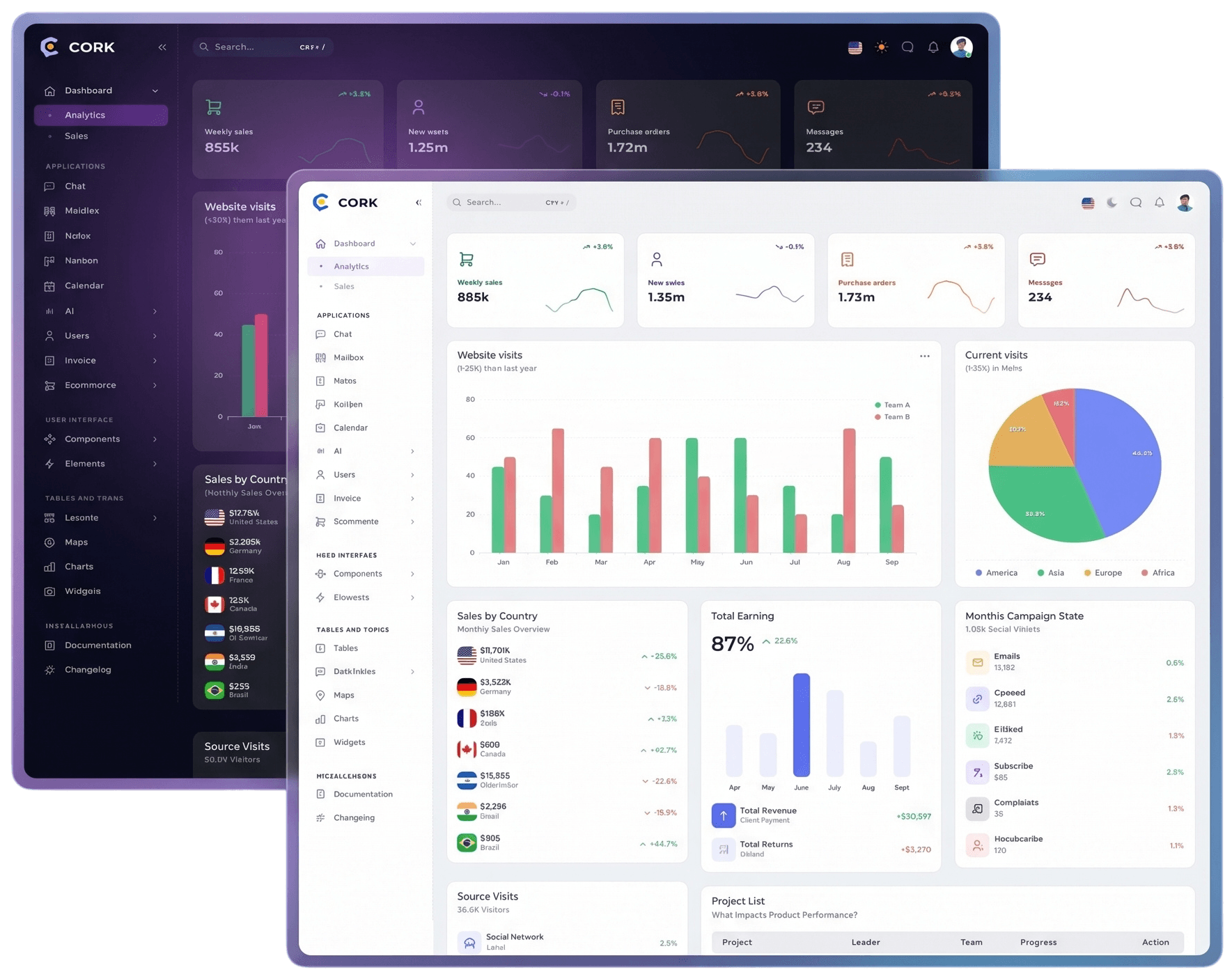
Check out our powerful UI demos designed
to help you build faster and better.
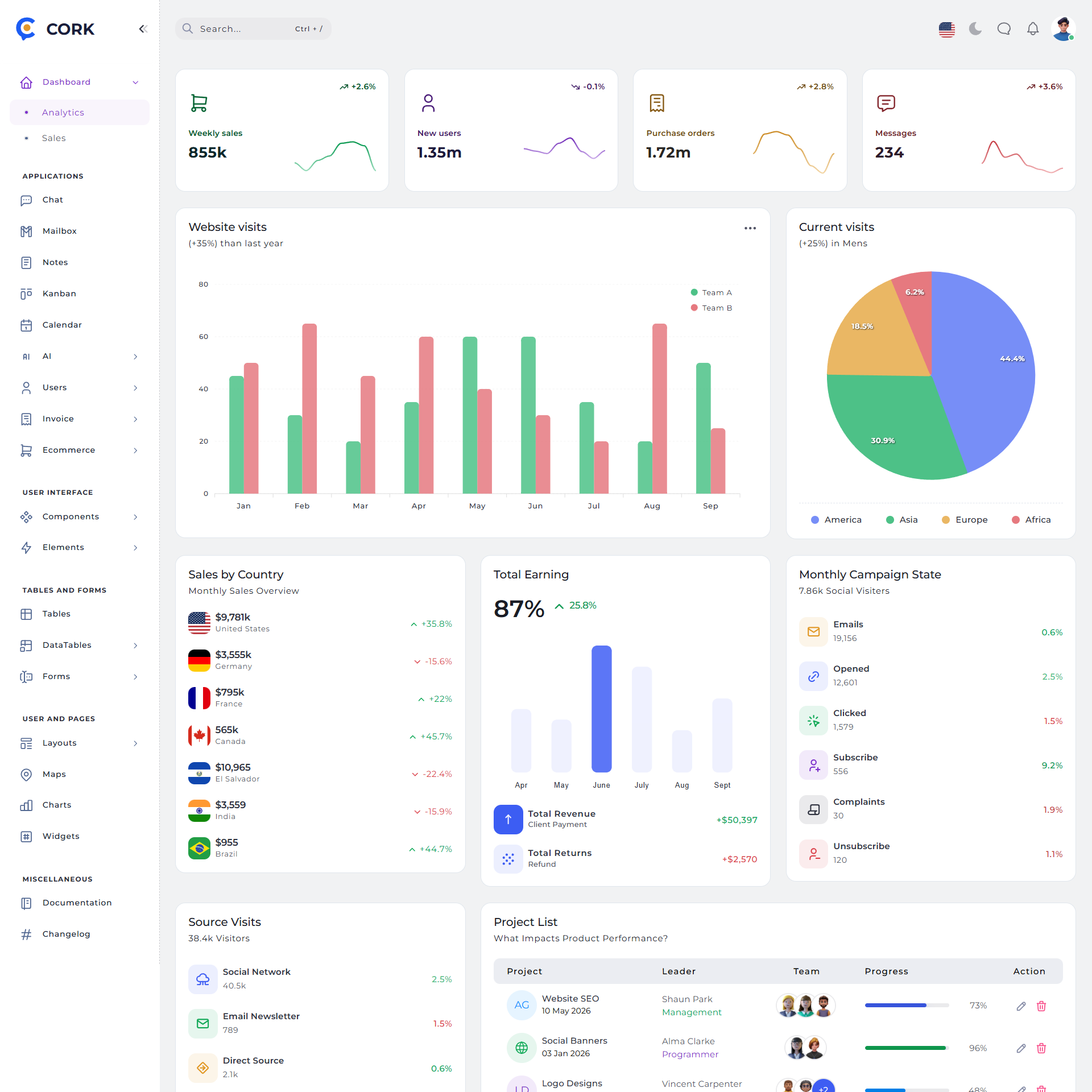
Demo 1 - Modern Menu
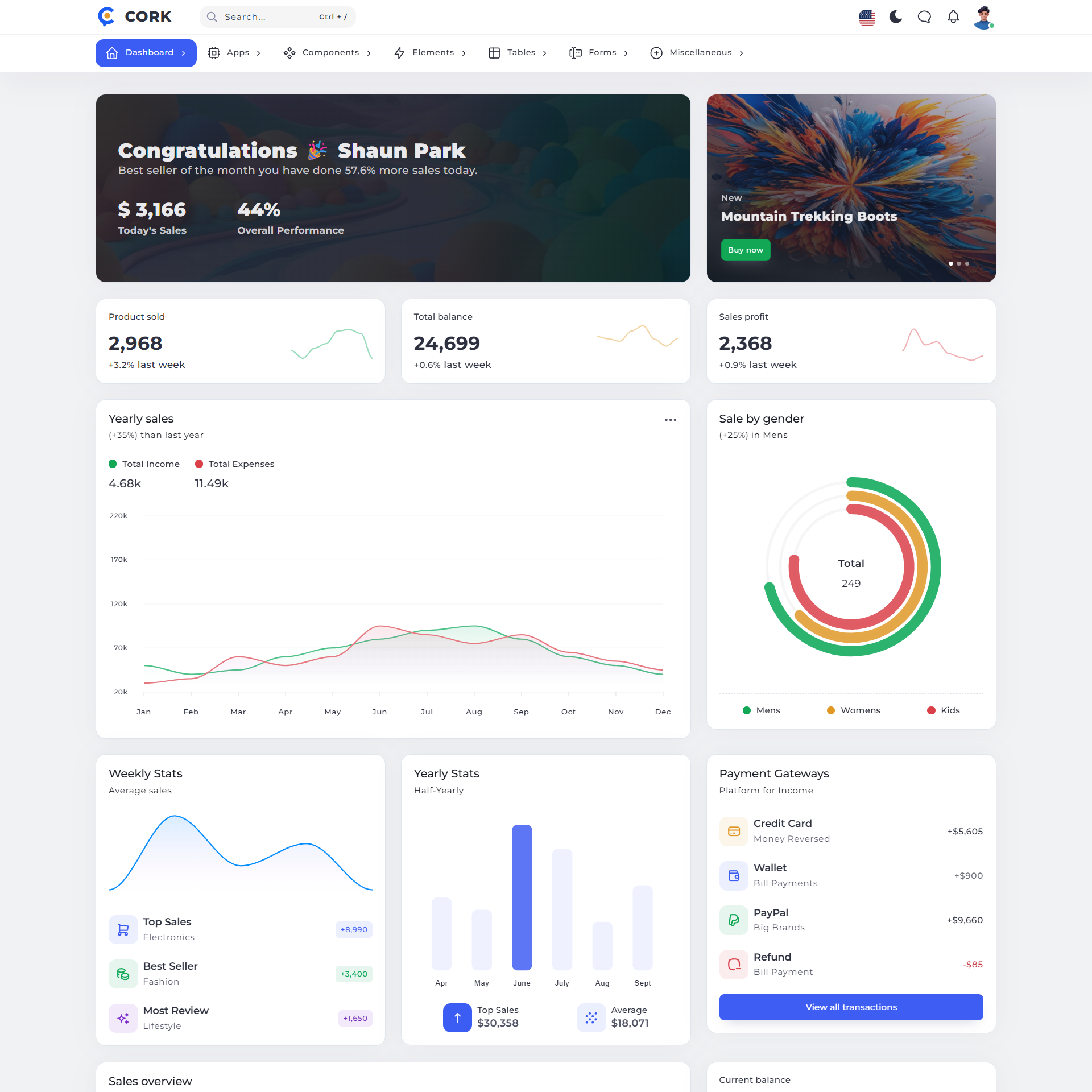
Demo 2 - Horizontal Menu
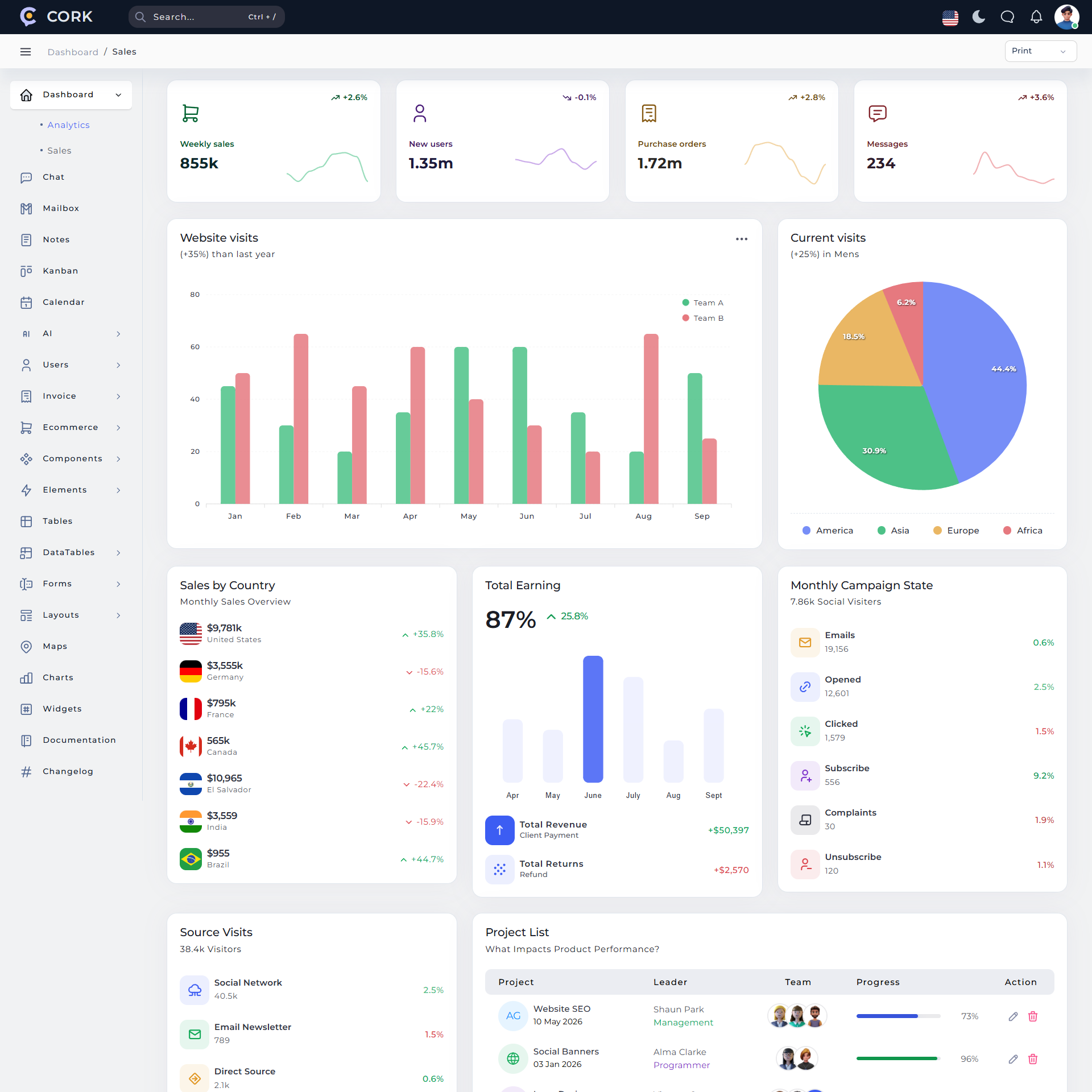
Demo 3 - Vertical Menu

Modern ui kit to save your time, boost your creativity.
Neat and super stylish layout ready to help with your projects.
But those compromises defined Orpheus 2’s identity: its flaws were part of its vocabulary. When released into user hands, Orpheus 2 became a seedbed. Producers placed it in film scores, ambient records, and game soundtracks. Composers found ways to coax narrative arcs from its morphing textures. Some users layered it beneath acoustic instruments to give them an uncanny background; others used it as the foreground voice in minimal pieces.
The narrative approach helped users imagine context, nudging them to explore textures rather than reproduce familiar timbres. Live performance demanded stability and immediacy. The team built macro controls for stage use: a single knob could shift the instrument from intimate to epic by blending convolution impulses, increasing modulation intensity, and adding a faint chorus. These macros made Orpheus 2 playable under pressure — a living instrument that responded to a single hand, yet retained depth for studio exploration. Act IX — Compromises: Limits and Learning No creative project escapes compromise. The most practical were technical: sample resolution versus RAM, CPU-hungry scripting versus polyphony, and the law of diminishing returns on micro-articulations. Artistically, the constraint of wanting the instrument to be both familiar and other led to moments where clarity was sacrificed for character.
Explore a comprehensive range of elements like menus,
sliders, buttons, inputs, and others, all conveniently gathered here.
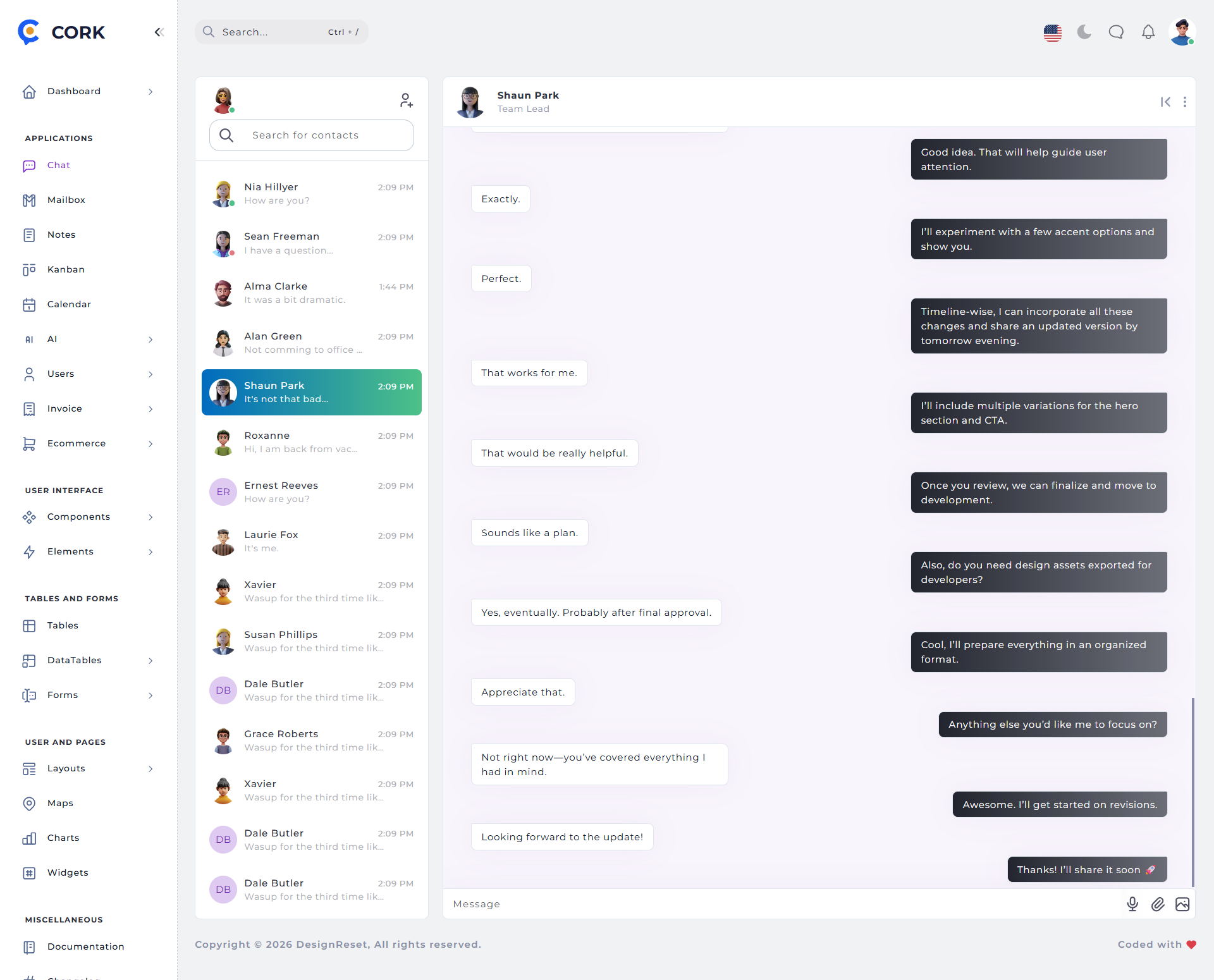
Chat
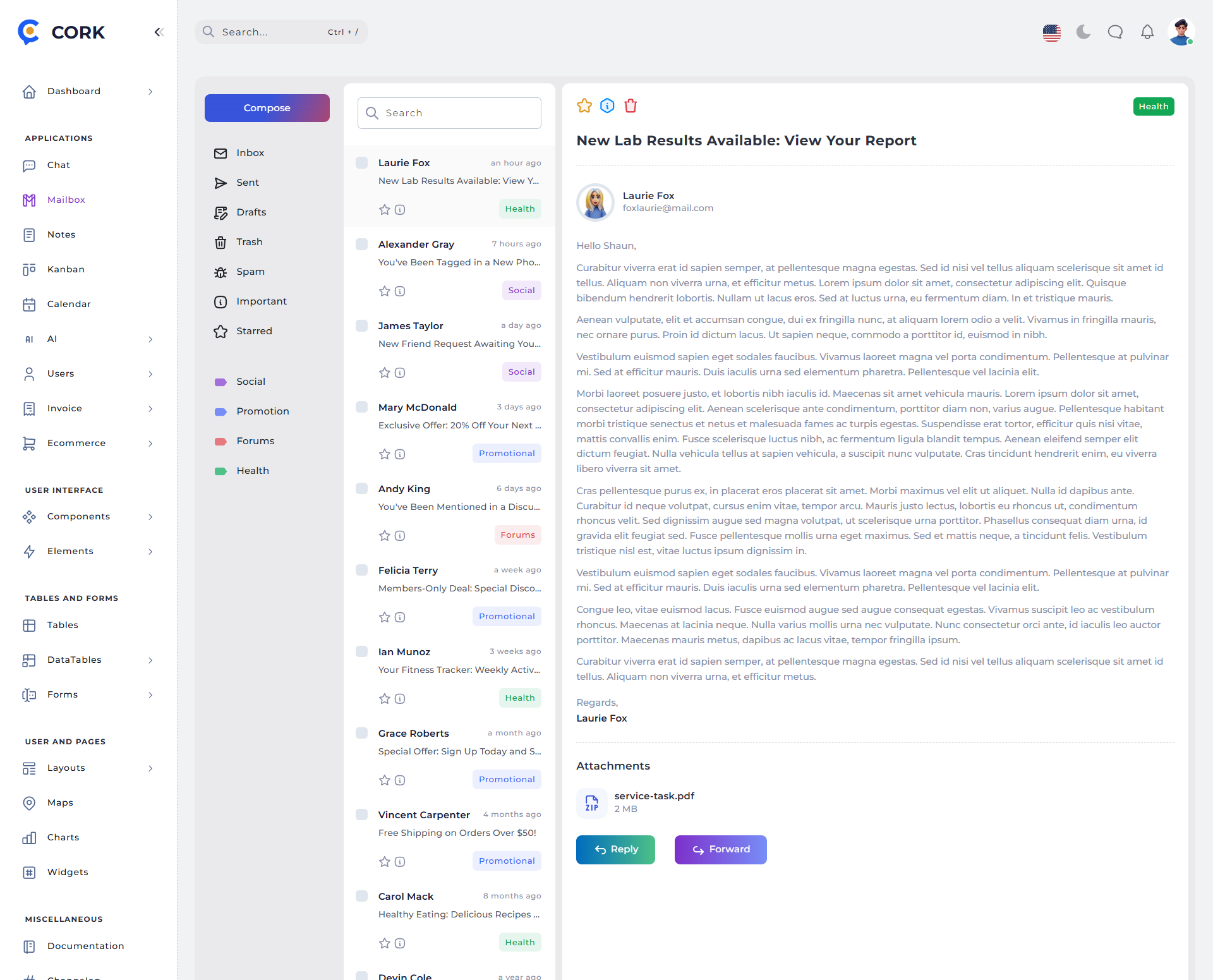
Mailbox
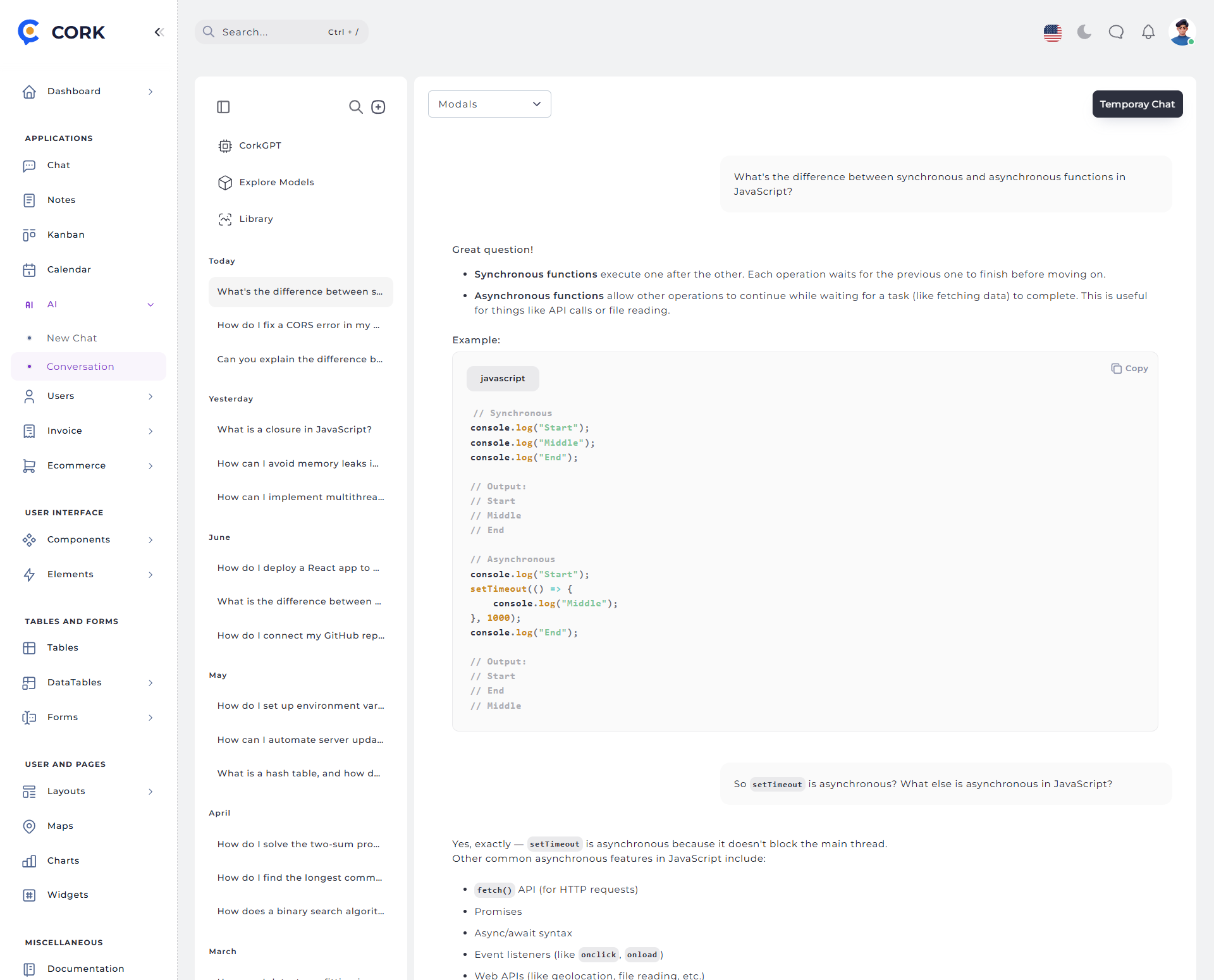
AI
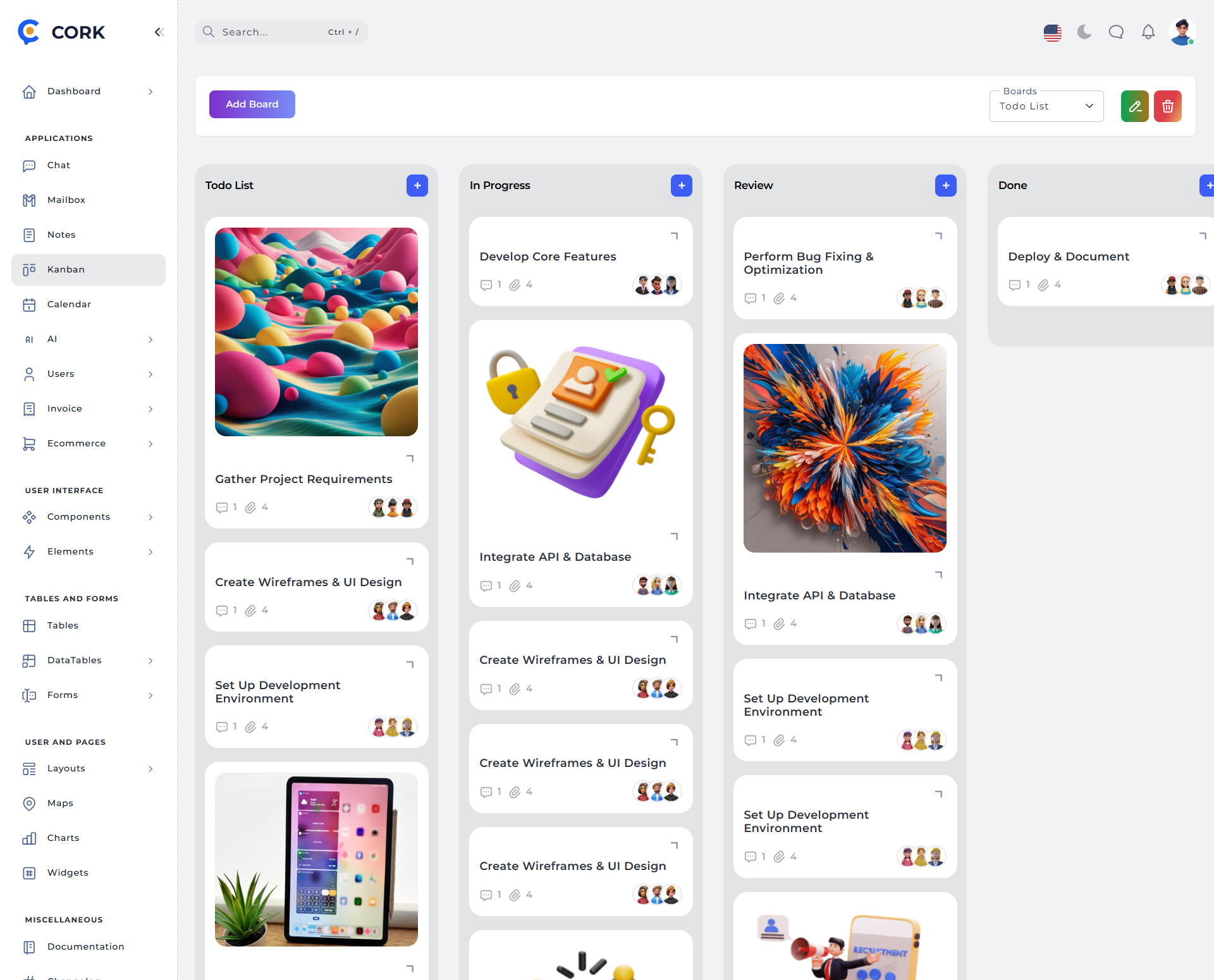
Kanban
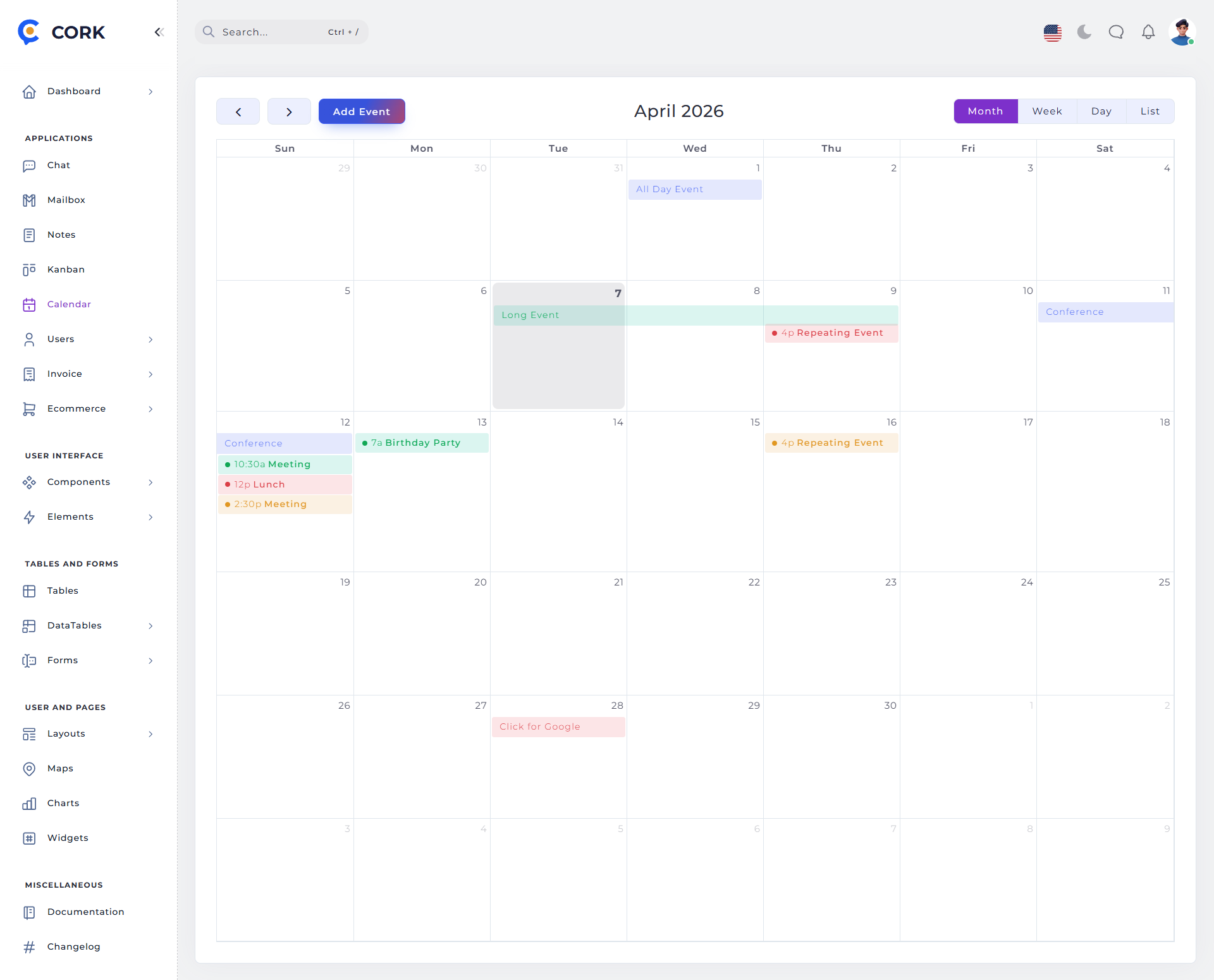
Calendar
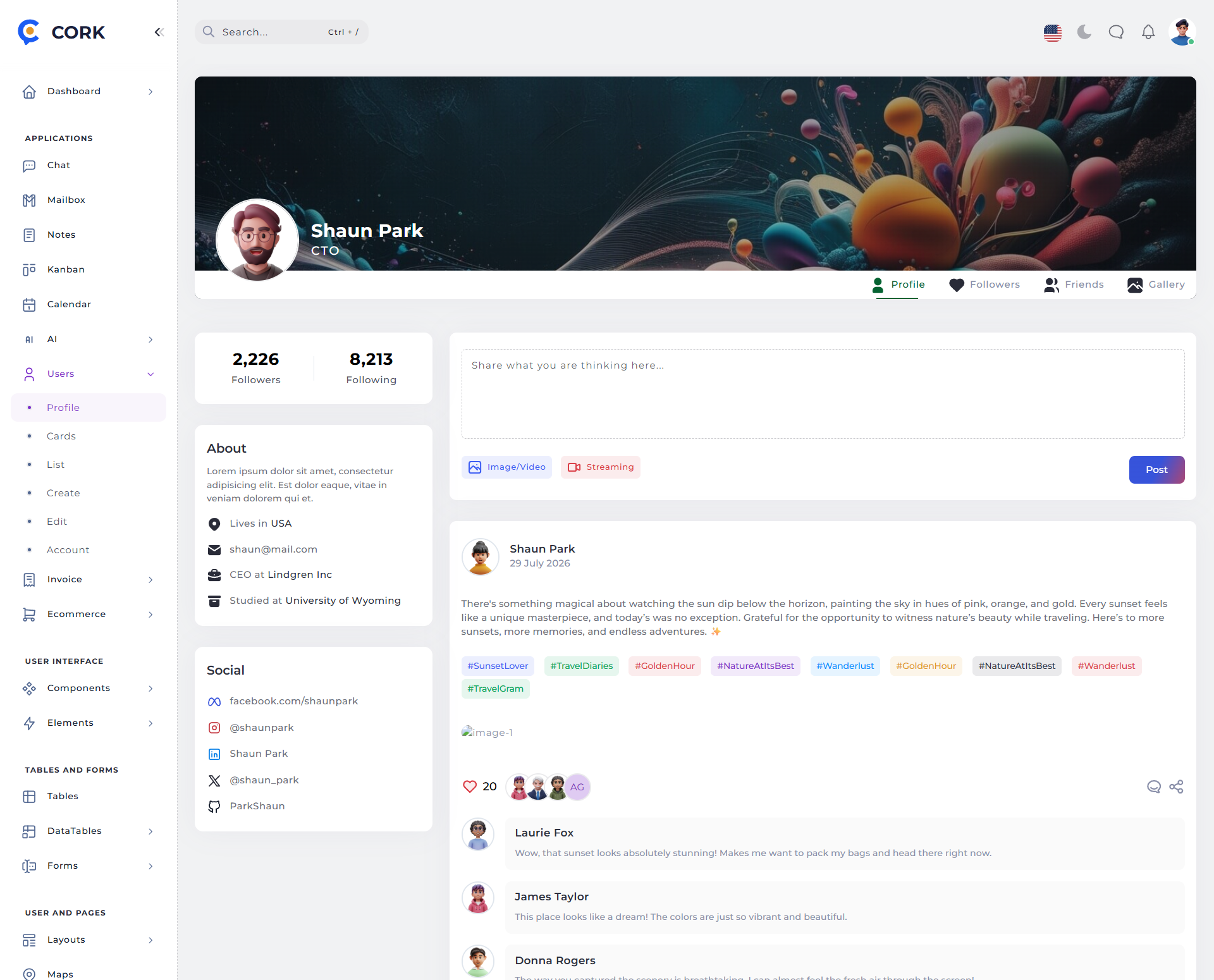
Users
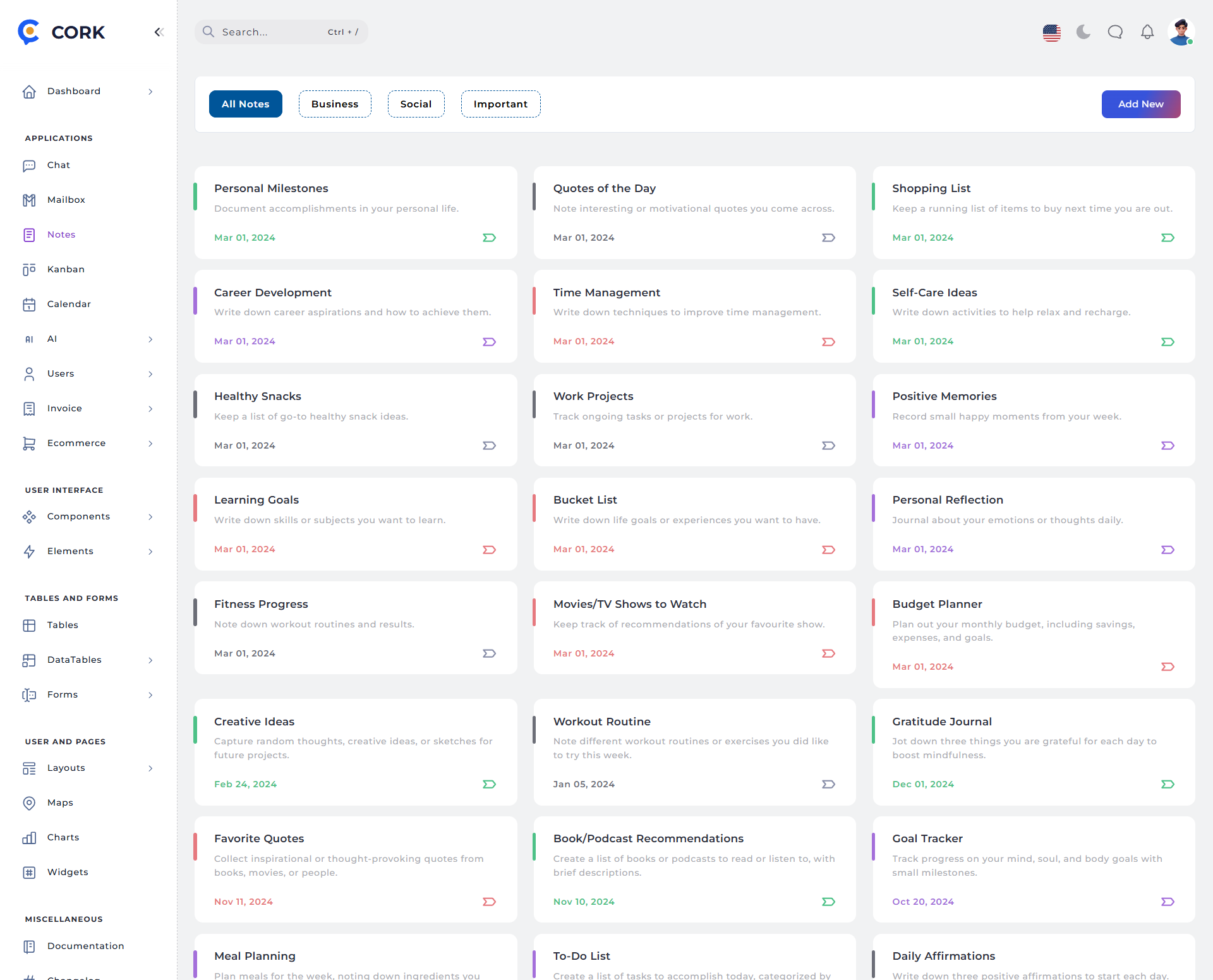
Notes
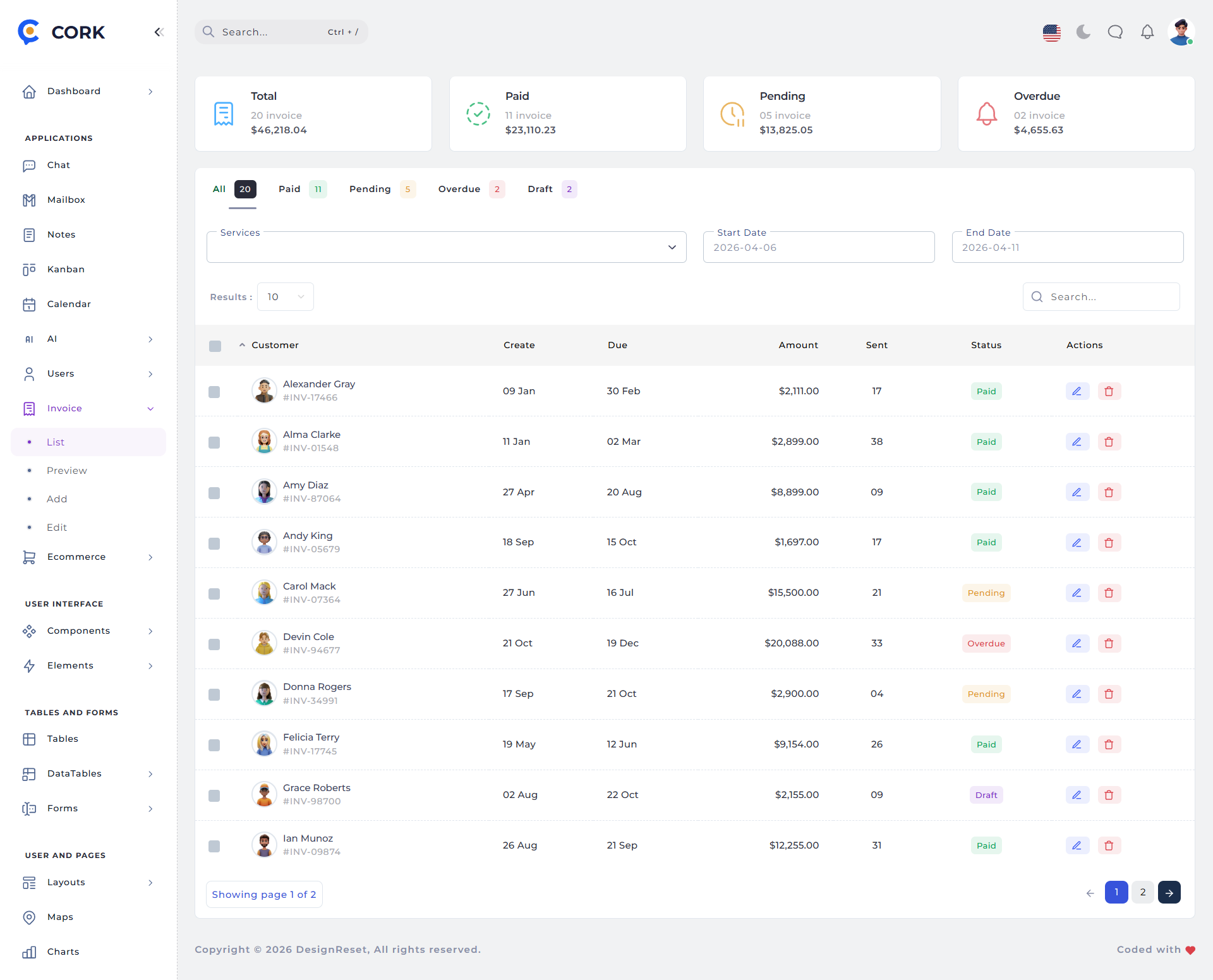
Invoice
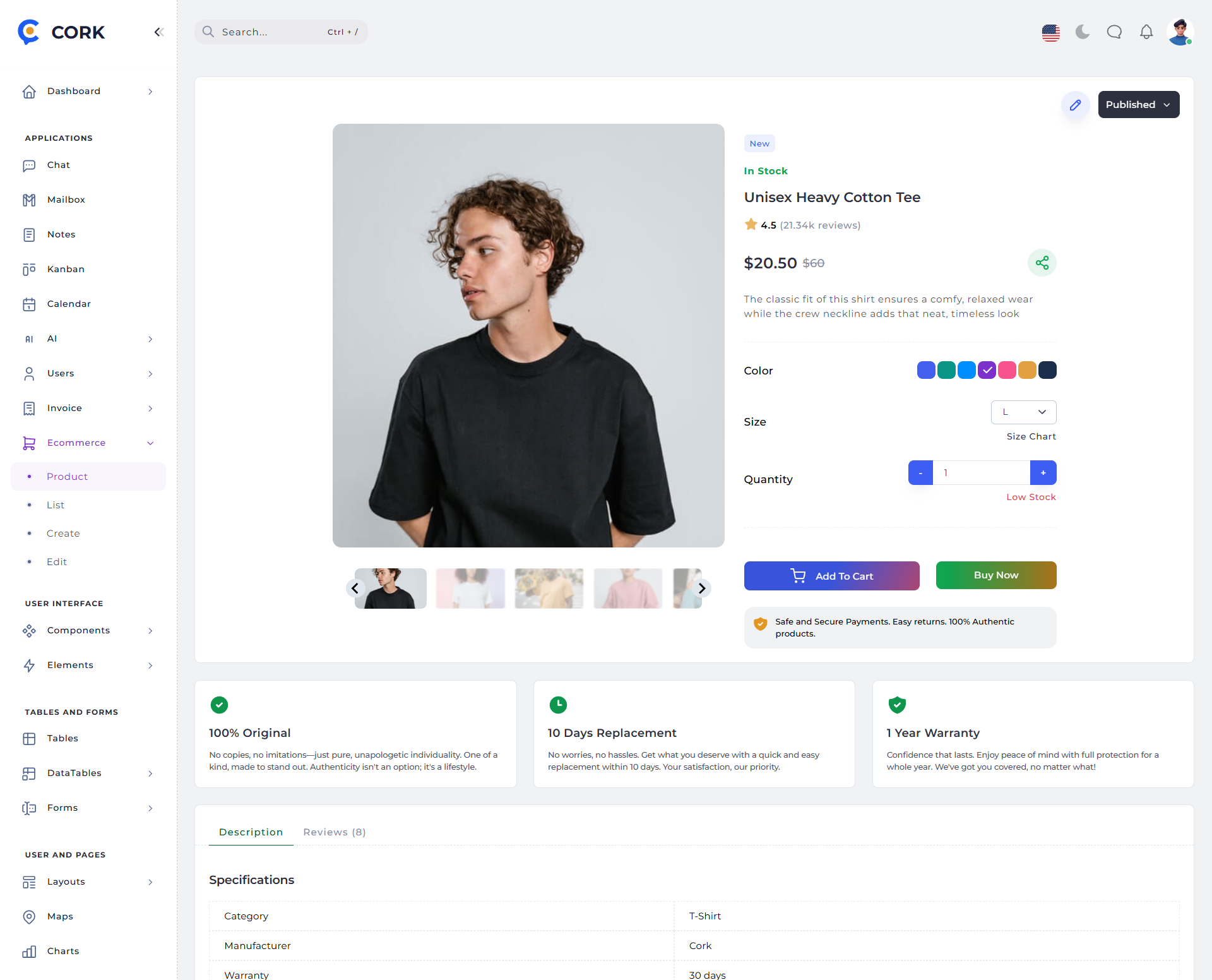
Ecommerce
Let's see what makes our theme super powerful and user-friendly!
But those compromises defined Orpheus 2’s identity: its flaws were part of its vocabulary. When released into user hands, Orpheus 2 became a seedbed. Producers placed it in film scores, ambient records, and game soundtracks. Composers found ways to coax narrative arcs from its morphing textures. Some users layered it beneath acoustic instruments to give them an uncanny background; others used it as the foreground voice in minimal pieces.
The narrative approach helped users imagine context, nudging them to explore textures rather than reproduce familiar timbres. Live performance demanded stability and immediacy. The team built macro controls for stage use: a single knob could shift the instrument from intimate to epic by blending convolution impulses, increasing modulation intensity, and adding a faint chorus. These macros made Orpheus 2 playable under pressure — a living instrument that responded to a single hand, yet retained depth for studio exploration. Act IX — Compromises: Limits and Learning No creative project escapes compromise. The most practical were technical: sample resolution versus RAM, CPU-hungry scripting versus polyphony, and the law of diminishing returns on micro-articulations. Artistically, the constraint of wanting the instrument to be both familiar and other led to moments where clarity was sacrificed for character.
Please describe your case to receive the most accurate advice.
The starting point for your next project
with Cork UI Kit, built on the newest
version of Bootstrap©, ready to be
customized to your style.