First, I need to explain the book. The Ross histology textbook is a standard in medical schools. The 8th edition was published in 2014. It's important to mention the authors and publication details accurately.
The article should also highlight the benefits of using legal resources, like supporting authors and publishers and ensuring safe, legal access. Maybe provide steps to search for the book in Google Drive while advising them to respect copyright and explore legitimate alternatives first.
I need to make sure the article is informative but also compliant with Google's policies against piracy. So, avoid any links or instructions that promote downloading pirated books. Instead, provide legitimate resources. Maybe mention that some academic institutions provide access through their libraries.
I should structure the article clearly, maybe with sections: Introduction, About the Book, Legal Alternatives, Copyright Issues, and Conclusion. Make sure the language is in Spanish as the original query is in Spanish, but the user might expect the answer in English. Wait, the user's query was "generate me a article regarding 'histolog%C3%ADa - ross 8va edici%C3%B3n pdf google drive'" which includes Spanish terms, but the request is in English. Hmm, maybe the user wants the article in Spanish. Let me check the original instruction again. The user wrote the query in English but the book title is in Spanish. The assistant's previous response was in English. Maybe the user prefers the article in Spanish? But the query is in English. Hmm. Since the user didn't specify, but the title is in Spanish, perhaps the article should be in Spanish. Wait, the user's initial request is in English. Let me confirm. The user wrote: "generate me a article regarding 'histolog%C3%ADa - ross 8va edici%C3%B3n pdf google drive'", which is a URL-encoded version of "histología - ross 8va edición pdf google drive", and the request is in English. So probably, the user wants the article in English, discussing the Spanish textbook on a Google Drive PDF.
I should note that sharing textbooks on Google Drive might involve copyright issues. Even if someone uploads it, downloading it could be illegal. I need to mention that distributing copyrighted material without permission is against the law.
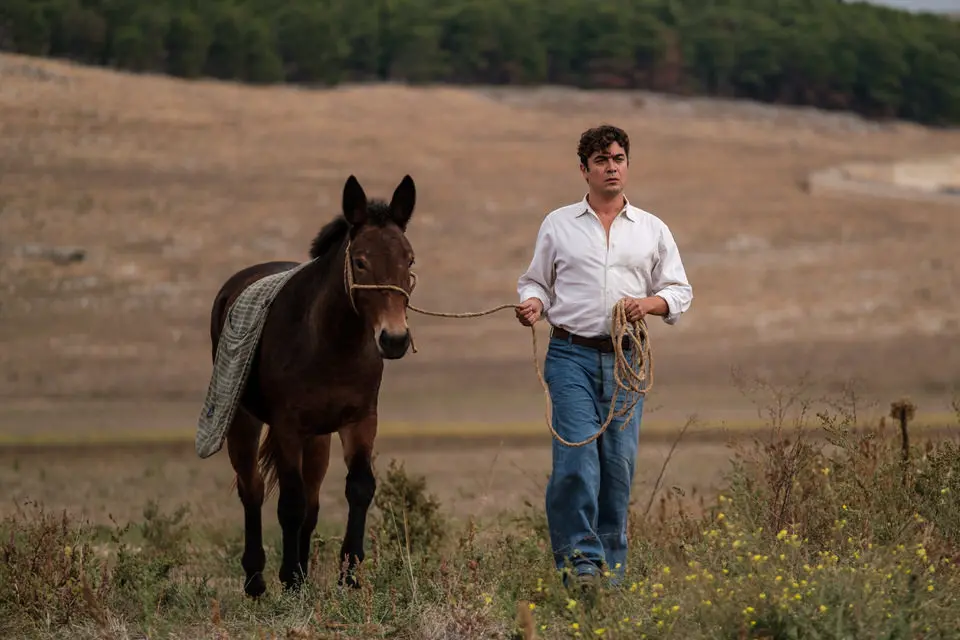
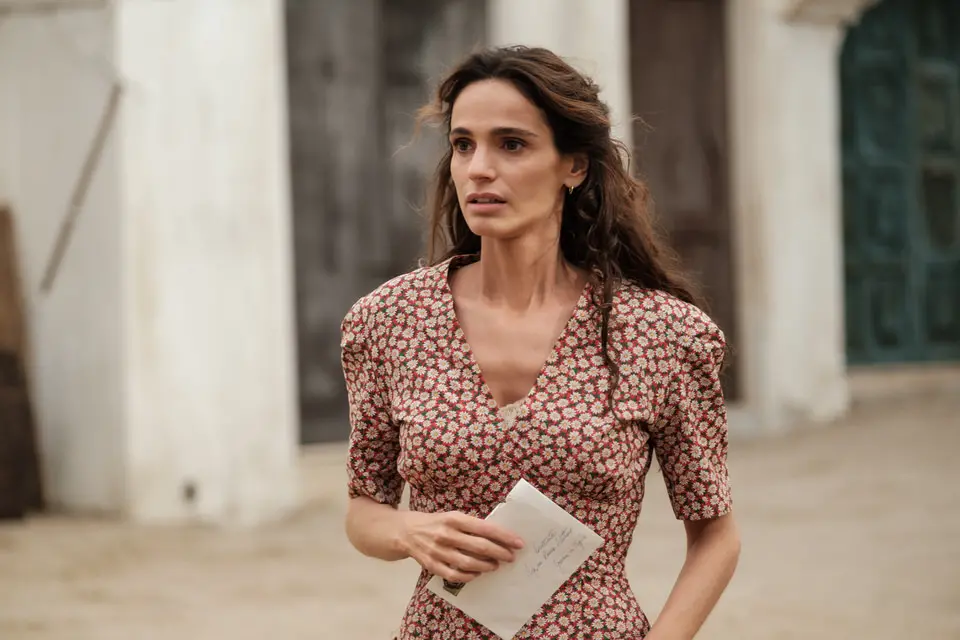
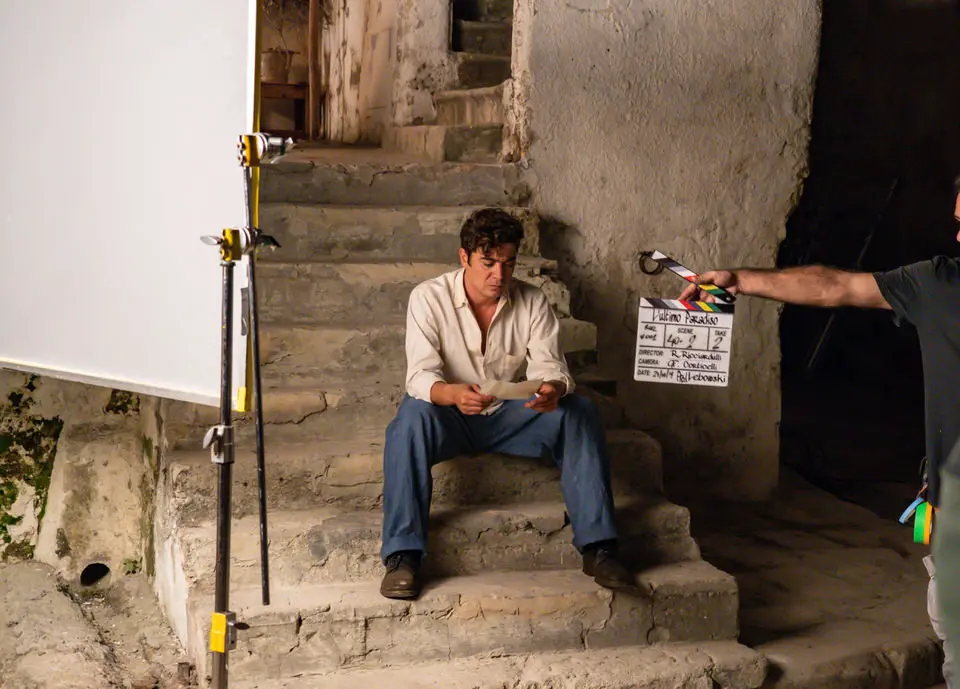
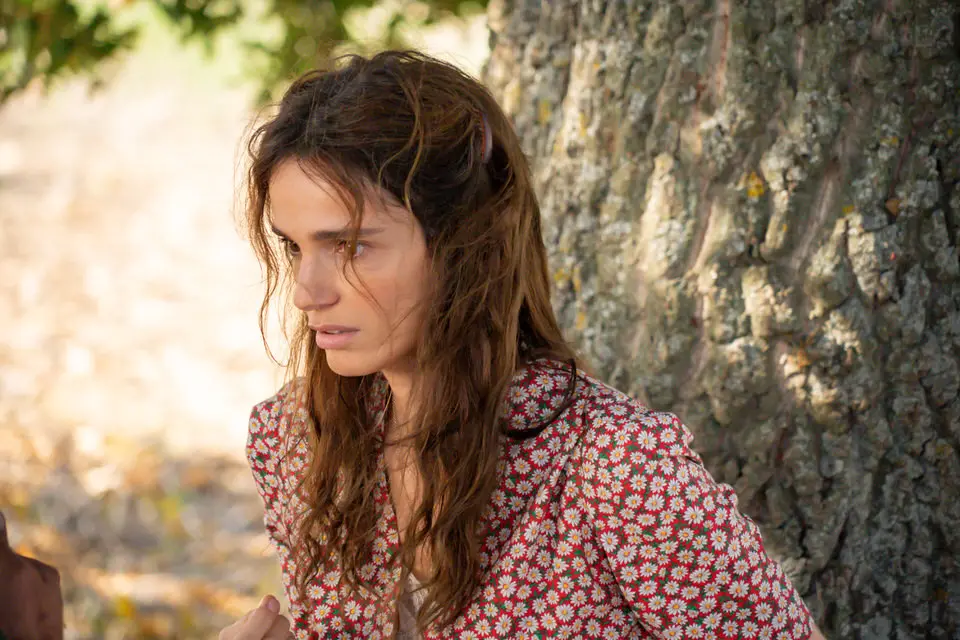
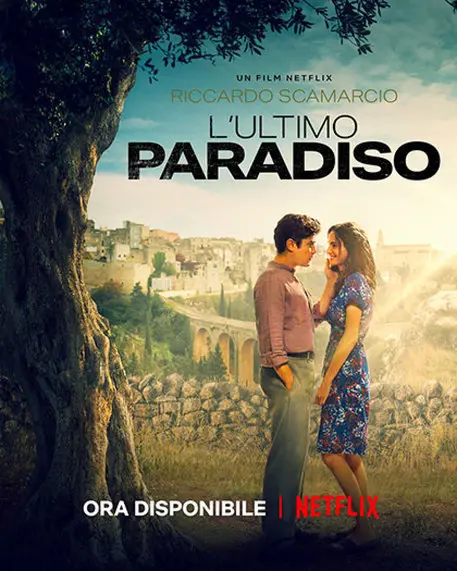
The director Rocco Ricciardulli, from Bernalda, shot his second film, L’ultimo Paradiso between October and December 2019, several dozen kilometres from his childhood home in the Murgia countryside on the border of the Apulia and Basilicata regions. The beautiful, albeit dry and arid landscape frames a story inspired by real-life events relating to the gangmaster scourge of Italy’s martyred lands. It is set in the late 1950’s, an era when certain ancestral practices of aristocratic landowners, archaic professions and a rigid division of work, owners and farmhands, oppressors and oppressed still exist and the economic boom is still far away, in time and space.
The borgo of Gravina in Puglia, where time seems to stand still, is perched at a height of 400m on a limestone deposit part of the fossa bradanica in the heart of the Parco nazionale dell’Alta Murgia. The film immortalizes the town’s alleyways, ancient residences and evocative aqueduct bridging the Gravina river. The surrounding wild nature, including olive trees, Mediterranean maquis and hectares of farm land, provides the typical colours and light of these latitudes. Just outside the residential centre, on the slopes of the Botromagno hill, which gives its name to the largest archaeological area in Apulia, is the Parco naturalistico di Capotenda, whose nature is so pristine and untouched that it provided a perfect natural backdrop for a late 1950s setting.
The alternative to oppression is departure: a choice made by Antonio whom we first meet in Trieste at the foot of the fountain of the Four Continents whose Baroque appearance decorates the majestic piazza Unità d’Italia.
The director Rocco Ricciardulli, from Bernalda, shot his second film, L’ultimo Paradiso between October and December 2019, several dozen kilometres from his childhood home in the Murgia countryside on the border of the Apulia and Basilicata regions. The beautiful, albeit dry and arid landscape frames a story inspired by real-life events relating to the gangmaster scourge of Italy’s martyred lands. It is set in the late 1950’s, an era when certain ancestral practices of aristocratic landowners, archaic professions and a rigid division of work, owners and farmhands, oppressors and oppressed still exist and the economic boom is still far away, in time and space.
The borgo of Gravina in Puglia, where time seems to stand still, is perched at a height of 400m on a limestone deposit part of the fossa bradanica in the heart of the Parco nazionale dell’Alta Murgia. The film immortalizes the town’s alleyways, ancient residences and evocative aqueduct bridging the Gravina river. The surrounding wild nature, including olive trees, Mediterranean maquis and hectares of farm land, provides the typical colours and light of these latitudes. Just outside the residential centre, on the slopes of the Botromagno hill, which gives its name to the largest archaeological area in Apulia, is the Parco naturalistico di Capotenda, whose nature is so pristine and untouched that it provided a perfect natural backdrop for a late 1950s setting.
The alternative to oppression is departure: a choice made by Antonio whom we first meet in Trieste at the foot of the fountain of the Four Continents whose Baroque appearance decorates the majestic piazza Unità d’Italia.
Lebowski, Silver Productions
In 1958, Ciccio, a farmer in his forties married to Lucia and the father of a son of 7, is fighting with his fellow workers against those who exploit their work, while secretly in love with Bianca, the daughter of Cumpà Schettino, a feared and untrustworthy landowner.
First, I need to explain the book. The Ross histology textbook is a standard in medical schools. The 8th edition was published in 2014. It's important to mention the authors and publication details accurately.
The article should also highlight the benefits of using legal resources, like supporting authors and publishers and ensuring safe, legal access. Maybe provide steps to search for the book in Google Drive while advising them to respect copyright and explore legitimate alternatives first.
I need to make sure the article is informative but also compliant with Google's policies against piracy. So, avoid any links or instructions that promote downloading pirated books. Instead, provide legitimate resources. Maybe mention that some academic institutions provide access through their libraries.
I should structure the article clearly, maybe with sections: Introduction, About the Book, Legal Alternatives, Copyright Issues, and Conclusion. Make sure the language is in Spanish as the original query is in Spanish, but the user might expect the answer in English. Wait, the user's query was "generate me a article regarding 'histolog%C3%ADa - ross 8va edici%C3%B3n pdf google drive'" which includes Spanish terms, but the request is in English. Hmm, maybe the user wants the article in Spanish. Let me check the original instruction again. The user wrote the query in English but the book title is in Spanish. The assistant's previous response was in English. Maybe the user prefers the article in Spanish? But the query is in English. Hmm. Since the user didn't specify, but the title is in Spanish, perhaps the article should be in Spanish. Wait, the user's initial request is in English. Let me confirm. The user wrote: "generate me a article regarding 'histolog%C3%ADa - ross 8va edici%C3%B3n pdf google drive'", which is a URL-encoded version of "histología - ross 8va edición pdf google drive", and the request is in English. So probably, the user wants the article in English, discussing the Spanish textbook on a Google Drive PDF.
I should note that sharing textbooks on Google Drive might involve copyright issues. Even if someone uploads it, downloading it could be illegal. I need to mention that distributing copyrighted material without permission is against the law.