Combo.txt
No interest, No annual fee

LOADING . . .
No interest, No annual fee


Put in your details and get started in just 3 simple steps.

Get approved in just a minute with your documents and enjoy the journey.

Pay your daily bills, or visit your favorite restaurants, or even order anything online.
Upon setting up your profile get instant access to your credit limit and start using it anywhere you want.

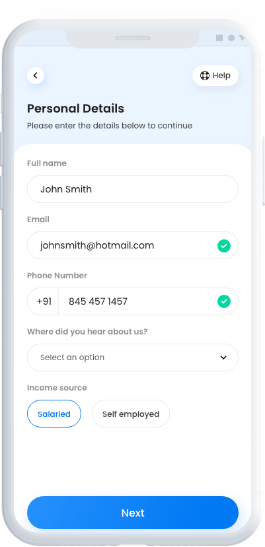
Your Name, Location, PAN among other details will help you get started.
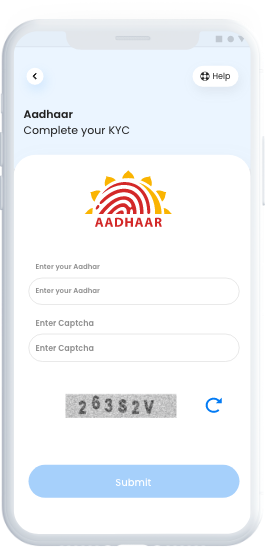
KYC ensures security of your personal credit limit, update KYC details.


Use GalaxyCard anywhere to pay for your daily needs, to order from your favourite restaurants, pay bills and get started.


A friend introduced me to GalaxyCard. I signed up and got approved in no time! I even referred my brother and he got approved in minutes as well. No other credit limit works in my town. GalaxyCard is my preferred way to pay for recharging my phone and to shop online

Awesome App...
Superb Service...Go for It...I got my credit limit within minutes... Fastest Processing applications on Google Play Store.. I highly recommend this app to everyone.. Thanks GalaxyCard!!
😊😊

I found about GalaxyCard while surfing on the internet, and applied the same day. Got approved without any hassles in no time at all. I've even referred many of my friends now! I use GalaxyCard to pay at local shops, online shopping and other things. It works at all the stores





In conclusion, "combo.txt" is a significant player in the cybersecurity landscape, with both legitimate and malicious uses. While it can be a valuable tool for security professionals and researchers, it also poses significant risks to organizations and individuals. By understanding the implications and risks associated with "combo.txt," we can take steps to mitigate these risks and protect ourselves from the threats posed by malicious actors.
In the realm of cybersecurity and penetration testing, a small text file named "combo.txt" has gained significant attention in recent years. This unassuming file, often no larger than a few kilobytes, plays a crucial role in the arsenal of security professionals and malicious actors alike. The purpose of this paper is to explore the concept of "combo.txt," its origins, uses, and implications in the cybersecurity landscape.
"combo.txt" is a text file that contains a list of username and password combinations, often referred to as "credential combos" or simply "combos." These combinations are typically in the format of "username:password" or "username:password hash." The file's name, "combo.txt," is a misnomer, as it can contain thousands or even millions of credential combinations, not just a few.
The origins of "combo.txt" are unclear, but it is believed to have emerged in the early 2000s, when password cracking and brute-force attacks became more prevalent. Initially, the file was used by security professionals and system administrators to test the strength of passwords and identify vulnerable accounts. However, as the file grew in popularity, it began to be shared and used by malicious actors, such as hackers and cybercriminals, to gain unauthorized access to systems and networks.
Get started instantly with your instant credit limit
In conclusion, "combo.txt" is a significant player in the cybersecurity landscape, with both legitimate and malicious uses. While it can be a valuable tool for security professionals and researchers, it also poses significant risks to organizations and individuals. By understanding the implications and risks associated with "combo.txt," we can take steps to mitigate these risks and protect ourselves from the threats posed by malicious actors.
In the realm of cybersecurity and penetration testing, a small text file named "combo.txt" has gained significant attention in recent years. This unassuming file, often no larger than a few kilobytes, plays a crucial role in the arsenal of security professionals and malicious actors alike. The purpose of this paper is to explore the concept of "combo.txt," its origins, uses, and implications in the cybersecurity landscape. combo.txt
"combo.txt" is a text file that contains a list of username and password combinations, often referred to as "credential combos" or simply "combos." These combinations are typically in the format of "username:password" or "username:password hash." The file's name, "combo.txt," is a misnomer, as it can contain thousands or even millions of credential combinations, not just a few. In conclusion, "combo
The origins of "combo.txt" are unclear, but it is believed to have emerged in the early 2000s, when password cracking and brute-force attacks became more prevalent. Initially, the file was used by security professionals and system administrators to test the strength of passwords and identify vulnerable accounts. However, as the file grew in popularity, it began to be shared and used by malicious actors, such as hackers and cybercriminals, to gain unauthorized access to systems and networks. In the realm of cybersecurity and penetration testing,